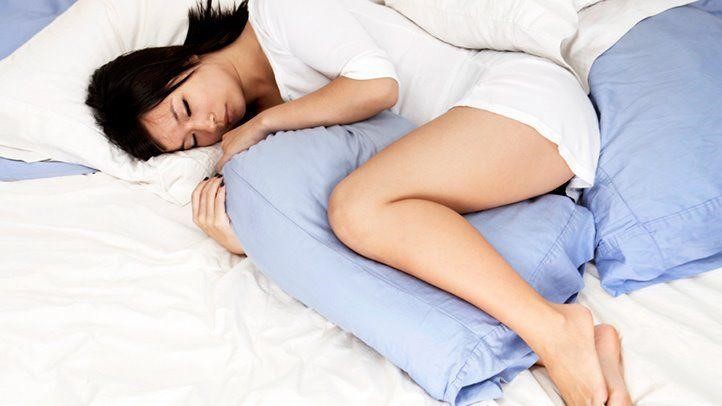
Let’s face it: sleep is an essential component of our everyday lives. Because your sleeping posture has such a large influence on your sleep quality, it may be time to switch things up. Do you prefer to sleep on your back, your side, or your stomach? You may have a preferred sleeping position, or you may alternate between them on occasion.
Unfortunately, your preferred position may result in health problems ranging from back discomfort to sleep apnea. Discover the advantages and disadvantages of common sleeping positions, as well as basic techniques for making each position a little bit better for you. Always use Bath and Body Works Promo Code at checkout to save money on your online shopping.
Sleeping incorrectly can cause or worsen neck and back discomfort. It may also clog your lungs’ airways, causing disorders such as obstructive sleep apnea. Changing your habitual sleeping position is definitely worth a go. We sleep for one-third of our lives to allow our bodies to unwind and renew. Having a comfy mattress, high-quality pillows, a luxury adjustable bed frame, and making the bedroom a sleeping sanctuary away from the unending distractions of the outside world are all significant factors in getting the most out of your sleeping time.
What Are the Common Sleeping Positions?
There is a very high possibility that everyone who likes one position will enjoy it all the time. Even if your bedtime changes every night or you wake up at drastically different hours every morning, you definitely have a favorite sleeping position. So, in this section, we will explore the most frequent sleeping positions as well as the benefits and drawbacks of each.
- Sleep on your back
- Log roller
- The soldier position
- Freefall
- Sleeping on your side
- The starfish position
Sleep on your back

The most health benefits come from sleeping on your back. It protects your spine and helps alleviate hip and knee discomfort. Sleep on your back is often recommended for people who have trouble sleeping on their side because it allows your neck and spine to rest in a neutral position. However, sleeping on your back can also be a risk factor for neck and back problems because it puts pressure on your vertebrae.
A cushion behind your knees might assist maintain your back’s natural curvature.
Sleeping on your back also has health advantages. Because your head, neck, and spine are in a neutral posture, you are less prone to suffer from neck discomfort. The greatest sleeping posture for heartburn is to lie on your back with your head slightly raised with a little pillow. If you experience any pain or discomfort when you sleep on your back, it may be a sign that you should switch to a different sleeping position. Check with your doctor to see if there are any other solutions that can help you
Log roller

There are many different sleep positions that can be used, but the most common is the Log Roller Sleep Position. This position is best for people who have trouble sleeping on their back because it uses the Rollers to help you stay in a comfortable position. The Rollers help to keep your body in a straight line and can help to prevent you from rolling off of the bed.
There is a chance of arm numbness or neck and shoulder pain in this posture, but don’t worry, it’s easily solved with additional cushions! Place a cushion beneath your arms, or cuddle a pillow if you’re feeling snuggly.
The soldier position
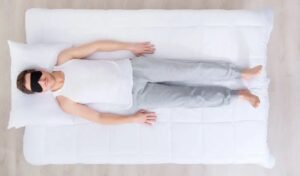
There are a few things that need to be taken into consideration when it comes to sleeping as a soldier. One of the most important things is ensuring that you are getting enough sleep. Lack of sleep can have negative impacts on your performance and health.
This one is a poor choice for snoring and may prevent you from getting a restful night’s sleep. Talk to your doctor if snoring keeps you from getting enough rest.
Freefall
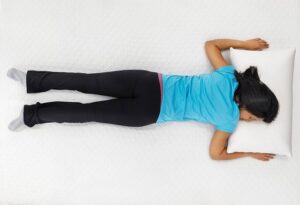
You’re laying on your stomach, arms curled beneath your pillow or on each side of your head, as though falling into the clouds. One of the most restorative postures for the body is to sleep in a freefall position. When in a freefall position, the body’s natural tendency is to fall deeper into sleep. The freefall posture also aids in the reduction of muscular tension and the improvement of blood circulation.
Sleeping on your stomach may seem pleasant when you’re snuggled in, but it can cause low back and neck pain. You’re also more likely to toss and turn than in other positions as you try to become comfortable on your tummy.
Sleeping on your side

One of the most important things you can do for your health is getting a good night’s sleep. Sleeping on your side can help you get a good night’s sleep. Sleeping on your side allows your body to rest more comfortably on your side, which can help reduce the risk of developing chronic diseases. Sleeping on your side also reduces the risk of snoring and sleep apnea.
The starfish position

The starfish’s sleeping position is one that is often seen in the wild. This sleeping position is often used by starfish in order to conserve energy. The starfish rests its head and arms on the bottom of the tank while its body rests on top. This sleeping position allows the starfish to conserve energy and keep its body temperature up. Like all those who sleep on their backs, people who sleep in the starfish position may be prone to snoring and sleep problems