The fantastic news is spring is in route. The bad thing? Daylight Saving Time (DST) begins Sunday at two a.m., which means that our clocks are just about to spring ahead and you are going to eliminate an hour of sleep. It is important to have a body clock for sleeping.
Not everybody will be losing an hour of sleep, however. If you reside in Hawaii, Guam, Puerto Rico, the U.S. Virgin Islands, American Samoa and many of Arizona, your clocks will probably remain the same.
For everybody else, the timing change may have a profound influence on the entire body.
Compared to the ending of DST at the autumn, once we get an hour of sleep, losing an hour of sleep in the start can affect our sleep schedules and also the way we feel complete.
It requires time to correct, so below are a few things you ought to know about handling the shift.
The shift to DST may hurt sleep duration and sleep quality, as stated by the American Academy of Sleep Medicine (AASM). It may take about five to seven days to correct.
And yes, an hour makes a difference, particularly in those who have not been getting enough sleep entering Sunday.
Even a change of one hour can make a difference,” explained Rebecca Robbins, Ph.D., co-author of”Sleep for Success” along with also a post-doctoral research fellow at NYU School of Medicine who teaches strategies for enhancing sleep and wellness.
How am I supposed to make up the missing hour?
There’s absolutely no way that you compose the”sleep debt” you may encounter. However, there are numerous ways that you ease into the transition.
The very best way to help your body adapt is going to be to begin early. The AASM recommends altering your wake and sleep times by 15 to 20 minutes roughly two to three times before DST. Get at least seven hours of sleep (for adults) or 2 hours of sleep (for both kids and teens) before and after the time shift. It is possible to use the AASM’s bedtime calculator to recognise a proper nightly bedtime.
Also, be careful if you need to carry out any actions that need maximum endurance, and be alert to how alert you are feeling for at least seven days following the time shift.
Kids are acutely aware of changes to their sleep program. This means for parents is that it’ll be essential to resisting the need to produce substantial adjustments to your everyday routines according to how your children are behaving.
Maintain your usual bedtime, put the children to bed in their average time, and awaken in your normal time. If anything, you can begin these patterns a couple of minutes before each night, but prevent drastic modifications on Sunday itself.
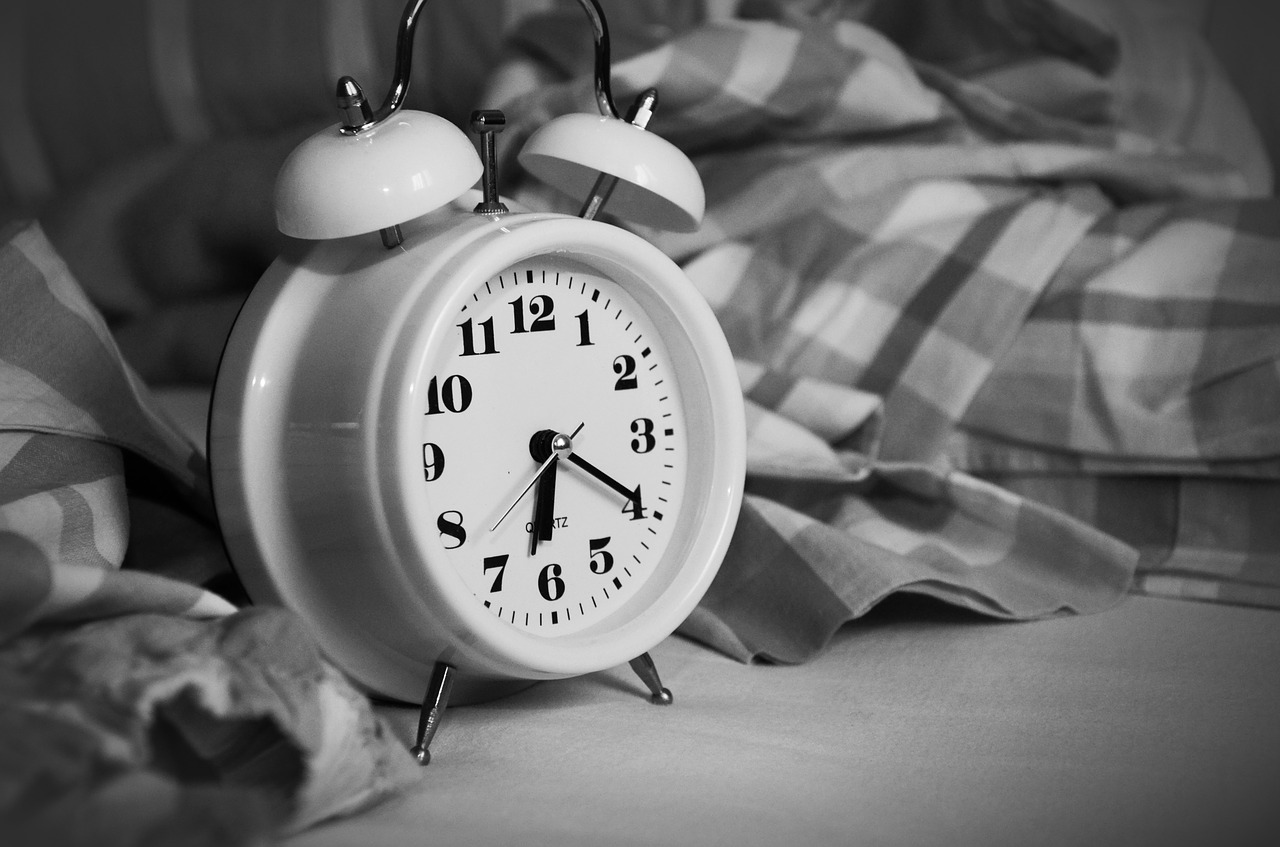
An alarm clock goes off in this stock photograph.
Is there anything I will anticipate about shedding this hour?
Realise this change within our clocks means that there will shortly be a change in seasons for many Americans. Adopt this thought by heading outside for a few morning sunshine on Sunday.
Warmer weather and longer days provide you with the chance to get outside and adopt a healthy lifestyle. Adopt the time and go to bed early Sunday night so that you can start Monday with a spring into your step.
It is also possible to check-in DST as a chance to begin anew.
“With the change of seasons… consider a bedroom refresh,” Robbins explained.
And with March 15 being World Sleep Day, there is no better time to find out about proper sleep habits, and sleep is so essential.
You might want to read about How to get sufficient sleep during pregnancy